Sustainable materials have become essential in luxury home architecture, especially for clients seeking refined living spaces that offer both environmental responsibility and lasting value. The integration of eco-friendly materials not only reduces carbon footprint and operational energy use but also enhances indoor air quality, wellness, and the overall longevity of the home. At Greyscale Architecture, we guide discerning clients across California through this evolving landscape, bringing together artistry, sustainability, and advanced technology for exceptional, tailored outcomes.
What Are Sustainable Materials in Luxury Home Design?
Sustainable materials are those that minimize environmental impact throughout their life cycle, from sourcing and production to installation, use, and eventual disposal. This can include reclaimed wood, recycled metal, low-emission finishes, responsibly sourced stone, and rapidly renewable options like bamboo and cork. A key characteristic is their ability to reduce embodied carbon, resource depletion, and indoor pollutants without compromising on the beauty or durability expected in luxury homes.
Benefits of Using Sustainable Materials in Luxury Architecture
- Environmental Stewardship – Choices like recycled steel, low-cement concrete, and FSC-certified timber help limit emissions, reduce raw resource demand, and promote ethical forestry.
- Enhanced Indoor Health – Low-VOC paints, natural fiber textiles, and toxin-free cabinets support improved air quality, reduced allergies, and a more comfortable living environment.
- Longevity and Investment Value – Durable finishes such as metal roofing or porcelain tile can last for decades with minimal maintenance, supporting higher resale value and lower lifecycle costs.
- Brand and Lifestyle Alignment – For many luxury homeowners, sustainability is not just responsible but a reflection of personal values and future focus.
Key Sustainable Materials for Luxury Homes
Structural and Envelope Materials
- Reclaimed Wood: Used for beams, floors, ceilings, and cabinetry. Offers unique patina and history while reducing logging demand.
- Recycled Steel: Ideal for framing, window systems, and custom staircases. Often contains high percentages of recycled content and is fully recyclable.
- Concrete Alternatives: Low-cement mixes and insulating concrete forms (ICFs) provide strength, thermal performance, and reduced carbon emissions.
- High-Performance Insulation: Mineral wool, dense-pack cellulose, and advanced foams boost energy efficiency and acoustic comfort.
Exterior and Roofing Materials
- Metal Roofing: Recyclable, long-lasting, and aesthetically versatile, with superior protection against the elements.
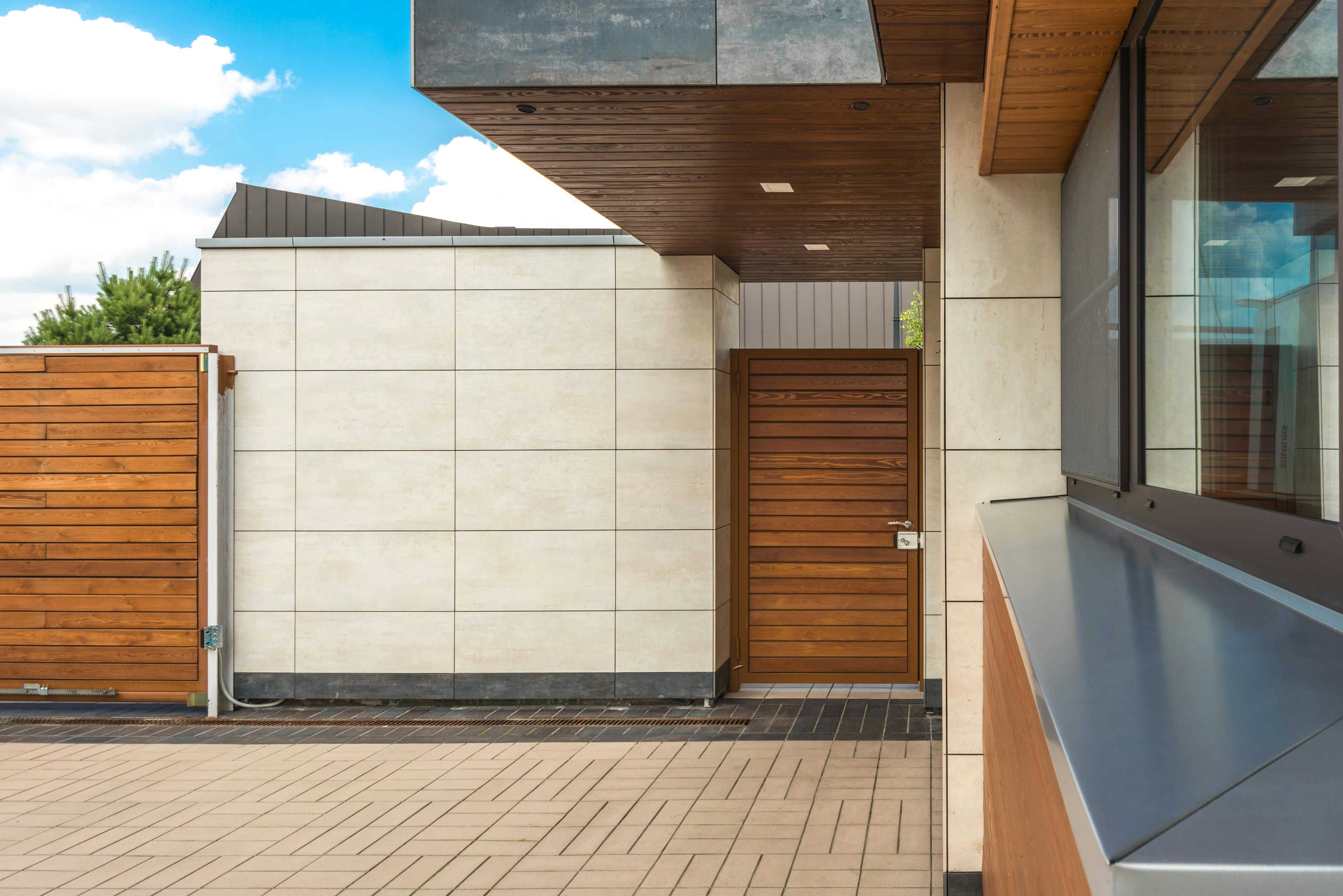
- Engineered and Composite Siding: Efficient use of wood fibers, robust durability, and minimal maintenance, often with tested fire resistance (important for California).
- Regionally Quarried Stone: Reduces transport emissions and creates a strong visual link with the local landscape.
Interior Surfaces and Finishes
- FSC and Reclaimed Hardwood Flooring: Beautiful grains and rich textures for focal rooms.
- Bamboo and Cork: Rapid renewability and underfoot comfort.
- Large-Format Porcelain Tile: Easy maintenance and exceptional durability for baths and kitchens.
- Low-VOC Paints and Adhesives: Minimize chemical emissions for cleaner air.
- Eco-Friendly Cabinetry: Formaldehyde-free, responsibly sourced panels with custom detailing.
Innovative and Emerging Materials
- Hemp-based insulation and panels, recycled glass surfaces, and advanced insulation systems for next-level performance and aesthetic flexibility.
Current Trends in Sustainable Luxury Home Design
Warm Modernism and Natural Materials
- Layering brushed wood floors, matte plaster walls, and stone accents to create inviting, timeless interiors.
- Blending steel, natural fibers, and mixed textures for both comfort and sophistication.
Indoor-Outdoor Continuity
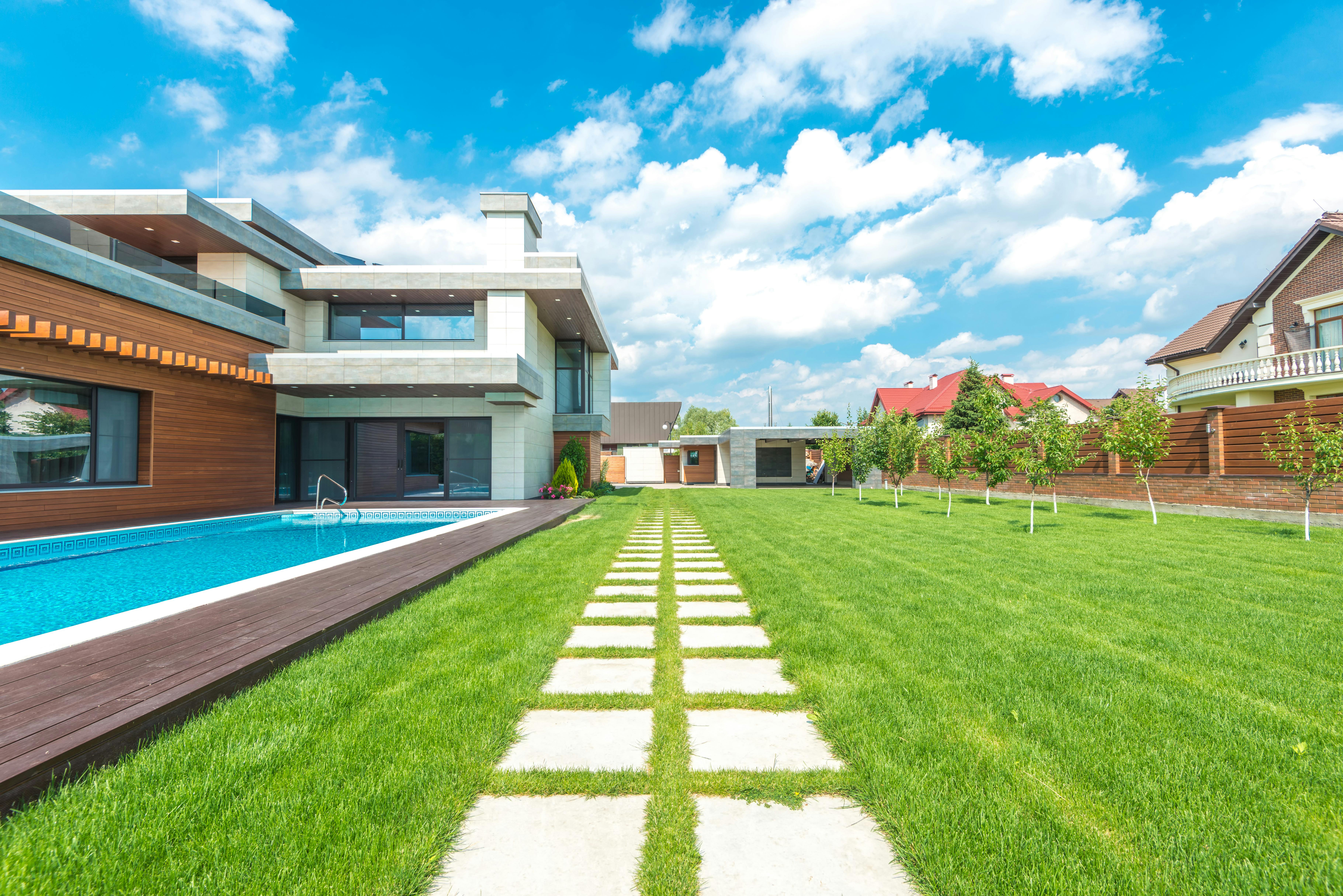
- Decks and terraces with high-density composite or responsibly sourced hardwoods.
- Seamless material transitions from indoor living spaces to outdoor entertainment areas.
Technology-Driven Design Decisions
- Using LiDAR scanning, BIM coordination, and VR walkthroughs (as implemented at Greyscale Architecture) to preview material effects, spot performance issues, and minimize redesign late in the process.
Biophilic Elements and Wellness
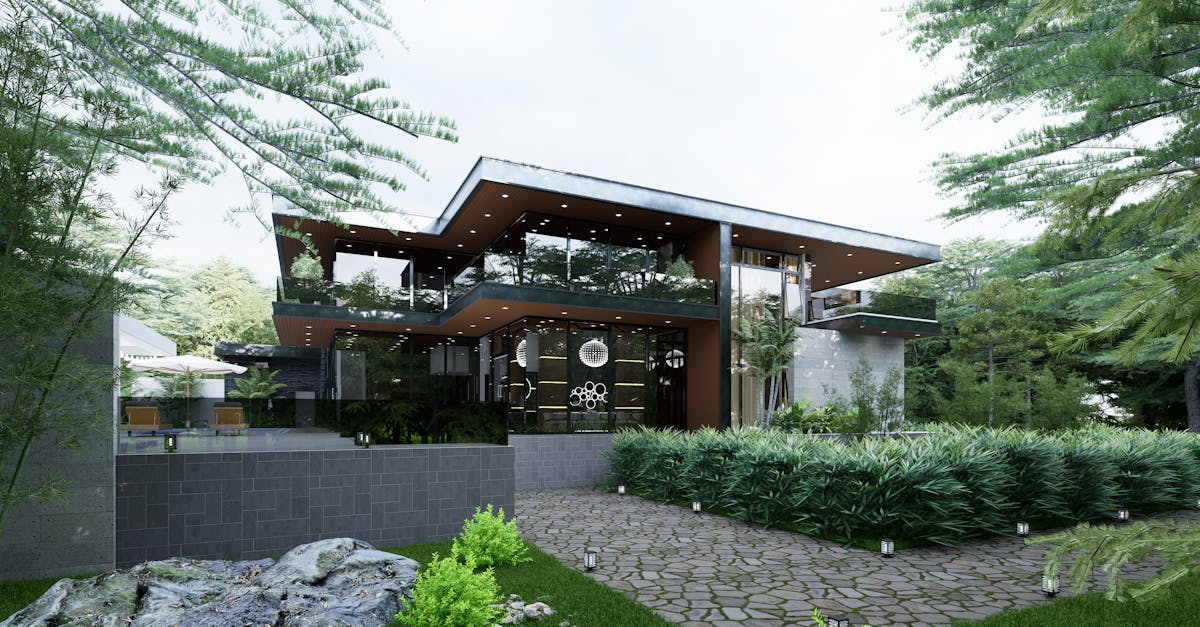
- Natural wood ceilings, green walls, and water features using durable, local materials to strengthen the connection between home and nature.
How to Incorporate Sustainable Materials: Step-by-Step Framework
- Define Sustainability and Lifestyle Goals: Clarify what matters most—air quality, energy performance, durability, or maintenance. This shapes every material choice. At Greyscale Architecture, we address these priorities early in the design process.
- Select an Experienced Architectural Partner: Choose a firm with proven sustainable luxury experience. Review their projects, ask about strategies, and check their coordination with permitting and energy modeling.
- Map Materials to Spaces: Assign high-performance and sustainable materials by function—exterior shell, high-traffic interiors, and outdoor zones—so that every material serves its purpose beautifully and efficiently.
- Prioritize High-Impact Decisions: Focus first on roofing and insulation, windows and exterior cladding, primary interior floors, and cabinetry, then layer in finishes and details.
- Integrate Materials with Mechanical Systems: Plan HVAC, ventilation, and radiant systems in tandem with material choices for optimal efficiency and comfort.
- Validate Choices with Technology: Use digital tools like VR walkthroughs and BIM to preview the feel, color, and transitions of materials before committing. At Greyscale Architecture, this approach often leads to fewer construction changes and higher satisfaction.
- Monitor Installation Quality: Require workmanship mockups and detailed site inspections at critical junctures (framing, insulation, millwork), ensuring that sustainable materials deliver their intended results.
Real-World Application: Sustainable Material Strategies at Greyscale Architecture
At Greyscale Architecture, we have executed over 900 projects with a core commitment to responsible material selection and refined design.
- Snowhaven Lodge (Auburn, CA): Showcases reclaimed timber beams, regionally sourced stone, durable metal roofing, and wide-plank wood floors with natural finishes.
- Villa Sierra Vista (Sacramento, CA): Features stone tied to the landscape, engineered wood siding, and large glass openings seamlessly connecting interiors to terraces.
- Chateau Verdant (San Diego, CA): Uses light-colored roofs, eco-friendly plaster interiors, and exterior shading devices to enhance comfort and minimize energy loads.
Our award-winning team leverages advanced modeling and virtual review to align material choices with performance needs and long-term client goals, guiding you from consultation to completion with transparency and technical rigor.
Best Practices for Selecting and Using Sustainable Materials
- Source Locally and Responsibly: Prioritize regional stone and wood, certified sustainable products, and low-emission finishes.
- Balance Performance and Aesthetics: Every material should serve both a technical and visual purpose—thermal comfort, acoustic quality, and timeless appearance.
- Engage Early with Your Architect: Collaboration shapes coherent, personalized outcomes. Participating in early design meetings, as we encourage at Greyscale, ensures your sustainability goals are foundational to the process.
- Use Technology to Mitigate Risk: Previewing options through VR and BIM provides confidence and reduces costly late-stage changes.
- Insist on Quality Control: Even the highest-grade materials require careful installation and finishing to realize their full benefits.
FAQ: Sustainable Materials in Luxury Home Architecture
What are the most impactful sustainable materials for a luxury home?
Reclaimed wood, recycled steel, low-cement concrete, metal roofing, low-VOC finishes, and rapidly renewable flooring like bamboo and cork are consistently high-impact for structure, envelope, and interior quality.
How do sustainable materials affect the long-term value of my home?
Homes built with durable, sustainable materials generally experience lower maintenance, improved energy performance, and increased appeal to future buyers who prioritize health and ethics in design.
Can sustainable materials compromise luxury or aesthetic goals?
No. The best sustainable materials are selected for both performance and beauty, supporting bespoke finishes, clean lines, and tactile richness found in high-end architecture.
How early in the process should I decide on sustainable materials?
Ideally, during initial design meetings. Early decisions influence structure, systems, and approvals, streamlining the journey from vision to reality. At Greyscale Architecture, these conversations begin from day one.
What role does technology play in sustainable material selection?
Tools like LiDAR scanning, BIM modeling, and VR walkthroughs allow architects to validate every material choice for performance, appearance, and comfort before construction begins.
How does Greyscale Architecture ensure quality and sustainability throughout a project?
We implement a transparent, seven-step process, leveraging internal expertise and technology to align materials with your goals, perform rigorous documentation for efficient permitting, and monitor key construction milestones.
Conclusion
Sustainable materials have redefined the possibilities in luxury home architecture, supporting beautiful environments that are healthy, efficient, and enduring. Clients who partner with Greyscale Architecture benefit from deep experience, advanced technology, and a commitment to both artistry and responsibility at every stage. Whether envisioning a new custom estate or a dramatic renovation, our team is ready to guide you through the full process—from defining your goals, to selecting materials, to realizing a home that elevates both your everyday life and your long-term legacy.
Interested in learning more or ready to begin your sustainable luxury project? Connect with Greyscale Architecture for a consultation at https://www.greyscaleinc.com.




.svg)


.svg)


.svg)